How to Optimize the Electronic New Part Introduction Process for PCB Design

During PCB design, it is unlikely that every required part already exists in a company-approved library. New functions, smaller packages, lower-power devices, and changing availability requirements create a continual need to add new components to active designs. The electronic New Part Introduction (NPI) process defines how those new parts are researched, qualified, modeled, approved, and released for use.

When NPI is handled manually, designers may wait on part research, symbol creation, footprint validation, approval routing, and database updates before they can continue with the schematic. This creates avoidable delays and increases the risk of inconsistent part data. A managed NPI workflow in OrCAD X Component Information Portal (CIP) helps teams centralize requests, validate required information, and move new parts into the component database with better control.

The goal is not just to add a part quickly. The goal is to add a part that is electrically suitable, orderable, compliant, modeled correctly, and approved for reuse across future projects. A structured NPI process connects engineering, library management, procurement, compliance, and project stakeholders so new components can be introduced without disrupting the design schedule.

Electronic New Part Introduction Process

A successful NPI workflow depends on clear ownership at each stage. The following steps preserve the original NPI flow while clarifying how each activity supports controlled part introduction and design readiness.

NPI Step

Description

Responsible Party*

Define Component Requirements

Define the requirements of the new part, including functionality, performance specifications, electrical constraints, package needs, and any project-specific features.

Designer

Market Research

Identify suitable components that meet the defined requirements. Consider cost, availability, compatibility with existing components, lifecycle stage, and sourcing options.

Component Engineer or Designer

Vendor Selection

Select reputable and reliable vendors to source components. Consider quality, lead times, distributor coverage, and long-term availability.

Component Engineer, Designer, or Purchasing

Component Evaluation

Evaluate the selected components to ensure they meet the required specifications. This may involve reviewing datasheets, testing samples, running simulations, and comparing alternates.

Designer

Model Creation and Validation

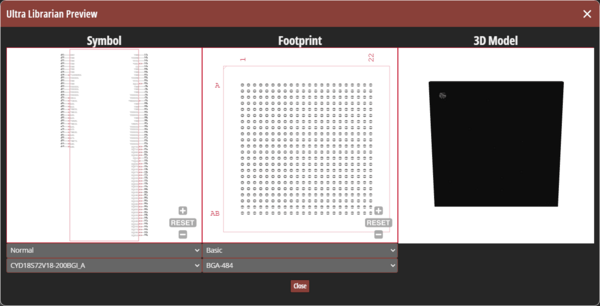
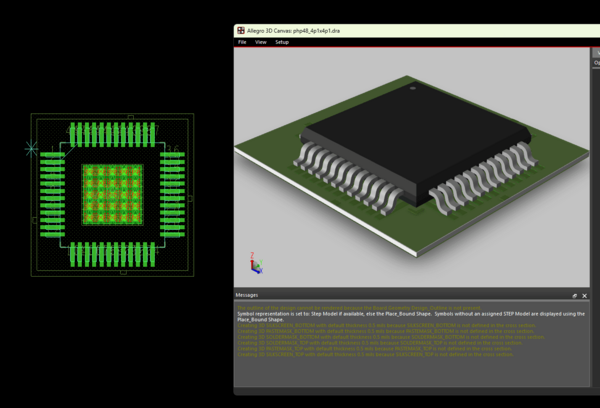
Create schematic symbols and PCB footprints. Verify model accuracy, pin mapping, footprint dimensions, and integration between schematic and layout data.

Component Engineer or Designer

Ensure Regulatory Compliance

Ensure components comply with applicable regulatory standards, environmental requirements, certifications, and project-specific compliance rules.

Component Engineer, Project Manager, or Librarian

Add Component to Database

Enter all parametric information, models, supply chain data, compliance data, vendor information, and relevant documentation into the component database.

Component Engineer, Project Manager, or Librarian

Release the Component

Verify all component information, including parametrics, models, datasheets, vendor data, and supply chain information, then release the component for use in designs.

Project Manager or Librarian

Design Integration

Integrate new components into the design. Update the schematic, layout, and documentation as needed.

Designer

Update Supply Chain Information

Update vendor information, lifecycle status, availability, compliance, and supply chain data to help ensure parts used in designs remain orderable. This is an ongoing task.

Component Engineer, Project Manager, or Librarian

*Roles responsible for steps in the Electronic New Part Introduction (NPI) process may vary based on company standards and practices.

Why Manual NPI Slows PCB Design

The traditional NPI process often depends on disconnected forms, spreadsheets, emails, and manual communication between design, library, procurement, and compliance teams. That creates delays when a designer needs a component that is not already approved in the PCB design component library. Even if the part meets schematic requirements, it still needs accurate parametric data, validated models, approved vendors, and documented lifecycle information before it should be released for broader reuse.

These delays can affect project schedules in several ways. Designers may be blocked while waiting for a symbol or footprint. Librarians may receive incomplete requests that require back-and-forth clarification. Procurement may discover sourcing issues after a part has already been designed in. Compliance checks may happen too late, creating rework before release. A more efficient NPI process brings these checks earlier so issues can be resolved before they become layout, BOM, or manufacturing problems.

Electronic New Part Introduction Process with CIP

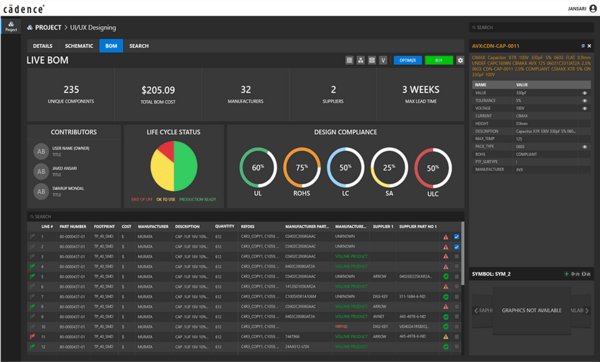
CIP streamlines NPI by allowing teams to research, request, approve, and manage new parts in a centralized workflow. Designers can search for candidate parts, compare specifications, and evaluate sourcing data directly in the design environment. This supports faster real-time component selection while reducing the manual effort required to gather part information from separate manufacturer and distributor websites.

Once a candidate part is identified, CIP helps capture the information needed for approval, including manufacturer details, part attributes, distributor information, datasheets, models, lifecycle status, and sourcing data. This makes the request easier for component engineers, librarians, project managers, and purchasing teams to review because the required context is associated with the part record from the beginning.

Use NPI to Reduce Supply Chain and Compliance Risk

A part should not be approved only because it meets the electrical specification. Availability, lifecycle status, supplier diversity, lead time, compliance, and cost exposure all affect whether the design can be built and sustained. Adding supply chain data to the NPI workflow helps teams identify sourcing risk before the part is locked into the BOM.

CIP also helps teams evaluate regulatory compliance information during part selection and approval. This supports a proactive workflow where compliance and sourcing risk are reviewed before release, rather than after procurement or manufacturing identifies a problem.

For higher-risk components, the NPI process should also evaluate secondary sourcing. Approved alternates help reduce dependence on a single supplier or manufacturer and give procurement more flexibility if the preferred part becomes constrained, obsolete, or cost-prohibitive.

Cost and sourcing exposure can also change based on country of origin, classification, and import requirements. Reviewing tariff exposure during NPI gives teams another way to compare electrically similar components before one becomes part of the approved design database.

Improve Model Accuracy Before Release

Model creation and validation are critical NPI checkpoints. Incorrect symbols, wrong pin mapping, inaccurate footprints, or missing 3D models can create schematic errors, layout rework, assembly issues, or board respins. A controlled PCB library management workflow helps ensure each new part is reviewed before it becomes available for production designs.

CIP supports this process by tying part metadata, CAD models, distributor data, and approval status to a single managed record. That structure helps teams avoid duplicate part creation, maintain consistent naming and attributes, and ensure that released components are ready for schematic capture, layout, procurement, and manufacturing documentation.

Optimized NPI Workflow for PCB Design Teams

An optimized NPI process should make it easy for designers to request new parts without losing design momentum. Instead of waiting for every approval step to finish before continuing, designers can use temporary parts while formal qualification proceeds in the background. This keeps schematic development moving while still maintaining control over what ultimately becomes an approved component.

The most effective workflow connects the major NPI checkpoints: define requirements, research available parts, compare component options, validate models, review compliance and sourcing risk, add the part to the database, and release it for use. Integrating component selection with supply chain analysis makes this workflow stronger because engineering teams can compare risk and availability before approval, rather than redesigning around problems later.

Wrap Up & Next Steps

Electronic NPI is a critical part of PCB design because every new component must be evaluated beyond the schematic requirement. A part needs the right electrical characteristics, accurate CAD models, reliable vendors, compliant documentation, and current sourcing data before it can be confidently reused across designs.

OrCAD X CIP helps streamline this process by centralizing part research, request tracking, model association, approval workflows, and supply chain visibility. By moving NPI into a managed component workflow, teams can reduce manual effort, improve data accuracy, accelerate approvals, and minimize the downstream risk of unavailable, non-compliant, or incorrectly modeled parts.

For engineering teams managing frequent new part requests, a structured NPI process can shorten part introduction cycles, improve collaboration between stakeholders, and help keep PCB projects moving from design to production with fewer avoidable delays.

About the Author

Cadence PCB Solutions is a passionate writer and expert in the field of PCB design and electronic engineering. With years of experience in developing innovative solutions for complex circuit designs, Cadence PCB Solutions specializes in breaking down technical concepts into clear, actionable insights for engineers, hobbyists, and industry professionals alike.